

Why Cracked Heels Get Worse With Age (and What Actually Helps)
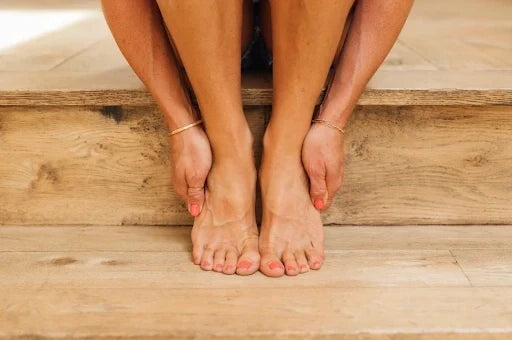
Whether your heel routine was a little lotion now and then—or no routine at all—there comes a point when your feet simply need more.
Same lotion. Same feet. But suddenly your heels are getting dry and rougher faster, and thick skin is building up, so they're snagging on everything. Before you know it, you look down and wonder when the hell your feet started betraying you.
Age changes the skin. Neglect finishes the job.
SandBar started with the founder's frustration that the usual advice for cracked heels didn't actually work. Soaking your feet. Switching shoes. Pumice stones. Slathering on lotion and sleeping in socks. Another pedicure. The next "miracle" heel cream.
The problem was never just dry skin. Over time, dead skin builds up on your heels, becoming thick, dry, and eventually rigid. Skip managing that buildup, and even a great moisturizer is being applied over a hardened layer of skin instead of reaching the healthier skin underneath.
That's why the SandBar Cracked Heel Revival Regimen doesn't start and end with lotion. Clean your feet, gently manage excess buildup while keeping the healthy calluses that cushion and protect your heels, then moisturize consistently to keep your skin healthy and flexible. As your skin becomes drier and less forgiving with age, staying consistent with those three steps becomes even more important.
Your Face Isn’t the Only Skin That Changes With Age
Most women expect their facial skin to get drier as they get older. Fewer realize the same thing is happening to their feet.
As skin ages, it naturally becomes drier and less forgiving, and your heels are at an even bigger disadvantage. The soles of your feet don't have the oil glands found across most of the rest of your body, so they can't replenish moisture the way your arms, legs, or face can.
Add decades of walking, standing, and everyday pressure on top of that, and the skin can become thicker, stiffer, and much more likely to crack if it isn't maintained.
The answer isn't a stronger lotion. It's better maintenance. Your feet have hauled your ass around your entire life—and as they get older, they deserve a little more attention in return.
Cracked Heels Start When Skin Stops Moving With You
Every time you take a step, the skin on your heels stretches and flexes to absorb the pressure of walking. When that skin is healthy and moisturized, it moves with your foot without you ever thinking about it.
As we get older, our skin naturally becomes drier and loses elasticity. If thick buildup is left to accumulate, it becomes hard and rigid instead of flexible. Now, instead of moving with every step, it begins to resist that movement.
Something has to give.
That's when small cracks begin to form. Ignore them, and they don't stay small for long. Every step keeps stressing the same dry, rigid skin until those little cracks deepen and make every step hurt.
You Don't Have to Live With Cracked Heels
Cracked, painful heels don't have to be something you accept as part of getting older. With consistent maintenance, your heels can stay smooth, healthy, flexible, and comfortable—and you might be surprised how quickly you go from cringing when you look at your feet to actually loving them again.
Life is too short for painful, cracked heels. Your feet have carried you this far. Start showing them a little love, and they might just become one of your favorite parts of your body.
How to Start Healing Cracked Heels
If your heels are already cracked, don't assume you're stuck with them.
Most cracked heels don't happen overnight, and they usually don't improve overnight either. They respond to consistent care.
Start by actually scrubbing your feet every day, not just letting soap and water run over them in the shower. Your heels collect dead skin, sweat, dirt, and buildup you may not even be able to see. Keeping that buildup under control is one of the simplest and most important things you can do to create a healthier environment for cracked skin to heal.
Then begin gradually reducing the thick, dry buildup around the crack. That rigid skin won't become healthy again on its own. As the excess buildup is gently filed down daily, the surrounding skin is better able to flex the way it was designed to.
Finally, moisturize your feet at least once a day—and in the morning and at night if your heels are especially dry or cracked. Healthy heel skin needs moisture to stay soft, flexible, and less likely to continue splitting.
The goal is smooth heels, not baby-soft feet. You want to keep the protective callus your heels need while removing the excess buildup that makes them dry, rigid, and prone to cracking.
When you start paying attention to your heels every day—actually scrubbing them clean, gradually filing down excess buildup, and moisturizing at least once a day (in the morning and at night if they're really dry or cracked)—you may be amazed by how quickly they start to look and feel better. And when we say consistency, we mean every day. For most everyday cracked heels, that daily care can make a huge difference. If you're doing all of that consistently and a crack continues to get deeper, more painful, starts bleeding, or shows signs of infection, that's when it's time to seek professional medical care.
Your Mom's Cracked Heels Don't Have to Be Yours

If your mom or grandma had cracked heels, it's easy to assume yours were inevitable. But cracked heels aren't simply a family tradition. Most women were never taught how to properly care for their feet—especially as their skin changes with age.
Aging makes your skin drier and less flexible, but neglect is what usually turns those changes into thick buildup and painful cracks. The good news is that while you can't change your age or your genetics, you can absolutely change how you care for your heels.
Your footwear, how much time you spend on your feet, and, most importantly, how consistently you maintain your heels all play a role in whether the skin on your heels stays healthy and flexible or becomes thick, dry, and prone to cracking.
One exception worth knowing: certain health conditions, medications, reduced sensation, or circulation problems can change what's safe for your feet. If any of those apply to you, check with a doctor before aggressive filing, especially if you can't easily feel when you've gone too far.
Clean Your Feet First

Keeping cracked heels clean is half the battle.
Your heels spend all day collecting sweat, dirt, bacteria, and dead skin. Thick heel skin holds onto all of it, and simply letting shower water run over your feet isn't enough to get them truly clean.
Daily scrubbing creates a healthier environment for your skin and prepares your heels for the rest of your routine.
That's why the Scrubber Mat stays right in your shower. Instead of trying to balance on one foot or bend over to scrub your heels, you simply use your body weight to clean them more thoroughly than you can with your hands. Even better, because it's always there, cleaning your feet becomes part of your normal shower routine instead of something you have to remember to do.
When it comes to healthier heels, consistency is key, and making that consistency effortless is exactly what this step was designed to do.
Manage Buildup Without Stripping The Heel

When a heel cracks, the skin around it often thickens and crusts over to protect itself. That rigid buildup can't flex the way healthy skin can, so every step keeps pulling on the crack instead of letting it close.
The SandBar Foot File is designed to gently smooth away that buildup. Its grit is designed to smooth rather than aggressively exfoliate, so working over dead skin around a crack shouldn't hurt.
You can also turn the file on its edge to carefully work along the sides of the crack itself, gradually reducing the hardened buildup that's keeping the skin stiff.
As that rigid layer comes down, the surrounding skin can move more naturally again, rather than continuing to split with every step.
If the area starts feeling tender, irritated, or raw, stop. The goal is a smooth, healthy heel—not to file away healthy skin to get there. Gently remove the dry, hardened buildup so the skin can stay smooth, flexible, and able to move with every step.
Moisturize Your Heels Every Day

Once your feet are clean and you've gently filed away the excess buildup, it's time to moisturize.
This is the step that keeps healthy heel skin soft, flexible, and able to move the way it was designed to. Daily moisturizing helps prevent your heels from becoming dry, rigid, and prone to cracking.
Heel Polish was specifically created to moisturize thick heel skin and help keep aging feet soft, smooth, and flexible. Use the silicone applicator to massage it over your entire foot, paying extra attention to your heels and any dry or cracked areas. Keeping the skin on your entire foot moisturized ensures nothing gets missed, and the massage itself turns daily foot care into a touch of indulgent self-care.
The silicone applicator helps work Heel Polish into every line, crack, and rough spot while also giving your feet a massage. Used consistently, that combination of moisture and massage helps keep the skin conditioned and flexible, while leaving your feet smoother, softer, and simply feeling good. Pretty soon, the feet you used to hide may be looking and feeling years younger, and you may find yourself putting a little more spring in your step when they're finally something you love showing off.
A Few Minutes a Day Can Change Your Heels

There isn't a miracle cream that fixes years of neglected heels overnight.
The secret to healthier heels isn't doing more. It's doing a little bit, consistently.
You use your feet every single day. They carry you through work, workouts, vacations, errands, and everything in between. They need a few minutes of attention every day, too.
Clean your feet daily. Gently file away thick, dry buildup before it turns into painful cracks. Then moisturize your entire foot to keep the skin healthy, flexible, and better able to handle the daily stress you put on it.
The Cracked Heel Revival Regimen makes that routine simple with SOLE SOAP, the Foot Scrubber Mat, the Foot File, Heel Polish, and the silicone applicator. Every product has a specific purpose, and together they create a routine that's easy enough to stick with.
Because that's the real secret.