


Why Your Pedicure Isn't Fixing Your Cracked Heels (and What Actually Works)
Your hands and feet earn their calluses differently, so they need different care. No lotion, no fluff, just tools built for grip, sweat, and the skin that takes the hit every day.

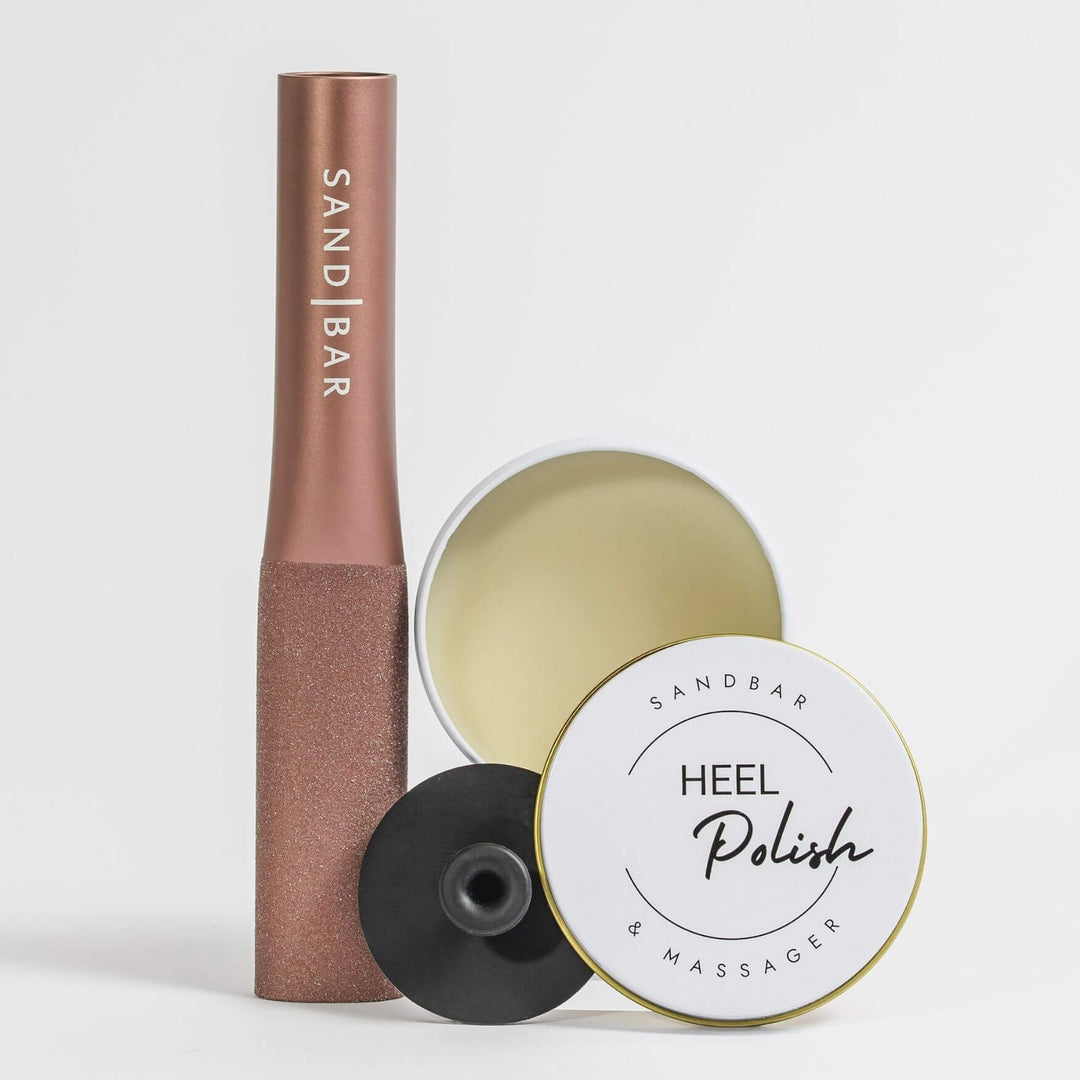


FIND THE RIGHT PRODUCTS FOR YOU
Answer a few quick questions and we'll point you to the right SandBar system for your feet—so you get exactly what you need and nothing you don't.
 Before
 After
After
Why Pedicures Don't Fix the Real Problem
Related Posts
 Callus Care
Why Cracked Heels Get Worse With Age (and What Actually Helps)
Cracked heels can become harder to manage with age as skin gets drier, thicker, and less flexible, but painful heels don't have to be part of getti...
Read More
Callus Care
Why Cracked Heels Get Worse With Age (and What Actually Helps)
Cracked heels can become harder to manage with age as skin gets drier, thicker, and less flexible, but painful heels don't have to be part of getti...
Read More
 Callus Care
Dead Skin on Feet: The Safe Way to Remove and Prevent It
Dead skin doesn't have to mean rough, cracked heels or endless frustration. Discover the simple clean, file, and condition routine that helps keep ...
Read More
Callus Care
Dead Skin on Feet: The Safe Way to Remove and Prevent It
Dead skin doesn't have to mean rough, cracked heels or endless frustration. Discover the simple clean, file, and condition routine that helps keep ...
Read More
 Callus Care
What Your Pedicure Salon Doesn’t Want You to Know: The Truth About Callus Removal
We've all been there—sitting in that plush pedicure chair, feet soaking, while the nail technician reaches for the foot file, electric grinder, or ...
Read More
Callus Care
What Your Pedicure Salon Doesn’t Want You to Know: The Truth About Callus Removal
We've all been there—sitting in that plush pedicure chair, feet soaking, while the nail technician reaches for the foot file, electric grinder, or ...
Read More